
Description
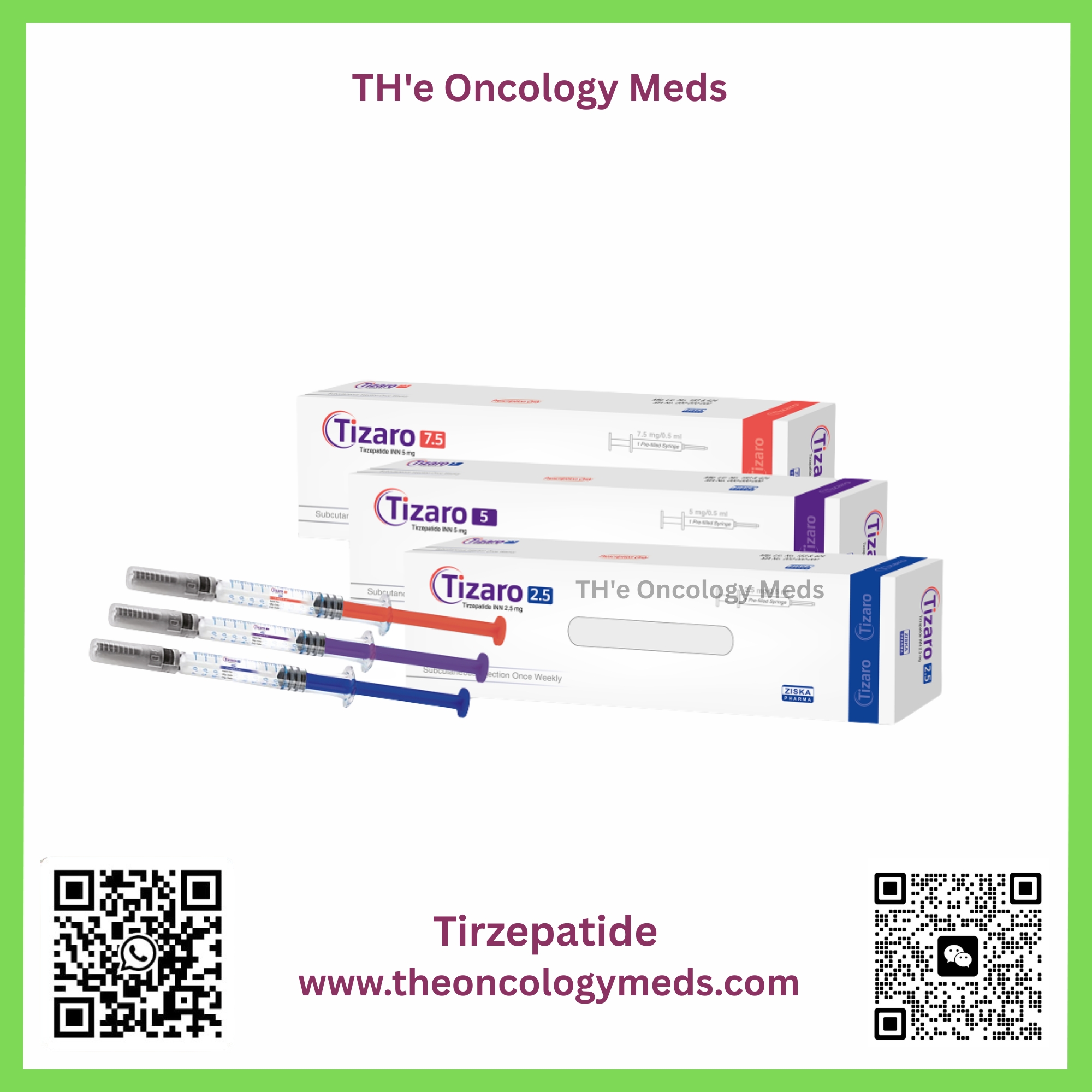
Tirzepatide is a prescription drug doctors use to treat type 2 diabetes and sometimes to help with weight loss, if they’re keeping a close eye on things. It copies some gut hormones that help keep blood sugar and appetite in check. Since it changes how your body handles glucose and metabolism, doctors only prescribe it for certain health issues—not just anyone.
What Is Tirzepatide?
Tirzepatide is one of the newer drugs on the market, and like most things fresh out of the lab, it comes with a hefty price tag. Part of that’s because it’s not easy to make—there’s a lot more going on behind the scenes compared to older meds.
Why Drugs Like Tirzepatide Cost So Much
A few big reasons drive up the cost of prescription drugs like tirzepatide:
1. Research and Development
Bringing a new drug to life isn’t quick or cheap. Scientists spend years running lab tests, clinical trials, and jumping through regulatory hoops. Pharmaceutical companies pour billions into this process. Naturally, they pass some of those costs along to the people who use the medicine.
2. Tricky Manufacturing
Tirzepatide isn’t just a simple chemical—it’s a peptide, built from chains of amino acids. That means making it takes advanced tech, specialized labs, and some really strict quality checks. All of that bumps up the price.
3. Patents and Monopoly Pricing
When a drug company invents something new, it gets a patent—basically, a government-backed guarantee that no one else can sell the same thing for a while. With no competition, prices stay high until the patent runs out, and other companies can join the game.
4. Regulatory and Shipping Costs
Getting a medicine approved and keeping tabs on its safety costs money. Then there’s the challenge of getting the drug into pharmacies, clinics, and hospitals. All those extra steps add up.
5. No Generic Option—Yet
Right now, tirzepatide is only available as a brand-name drug. Generics usually bring prices down, but until one gets approved and starts showing up on shelves, you’re stuck paying brand-name prices.
Insurance and Out-of-Pocket Costs
What a patient pays really comes down to their insurance and where they fill their prescription. Here’s what that looks like in real life:
1. Health Insurance Coverage
If you’ve got insurance, your plan might pick up part of the bill. The details depend on your policy:
Some plans treat tirzepatide as a preferred drug, so you pay less out of pocket.
Others put it in the non-preferred category, which means you’ll pay more, or you might need pre-approval.
A few plans make you try other medicines before they’ll cover tirzepatide, which is called step therapy.
Insurance can make a huge difference, but honestly, there’s no one-size-fits-all. Every plan does it a little differently.
2. Copays and Deductibles
Even with decent insurance, you’ll probably still pay something:
A copay is just a set amount you pay for each prescription.
A deductible is what you have to pay yourself before your insurance starts pitching in.
Because tirzepatide isn’t cheap, a lot of people hit their deductible fast, so the first prescription can feel especially pricey.
3. Patient Assistance Programs
Some drug companies and non-profits offer help for people who qualify. They look at things like your income and insurance situation. If you’re eligible, these programs can take a big bite out of the cost—especially if you don’t have good coverage. But the rules for who can get help aren’t the same for everyone.
Why Prices Change
Even if you’re in the same country, prices aren’t always the same. Here’s why:
1. Pharmacy Discounts
Not every pharmacy plays by the same rules. Some big chains offer special discounts or perks to members, while others stick to their regular prices.
2. Where You Live
Your city, your state—even your neighborhood—can change how much you pay. Taxes, local rules, and how medicine gets delivered all play a part.
3. How You Buy
Where you get your meds matters. Maybe you walk into a retail pharmacy, order from a specialty pharmacy, or use a mail-order service. Specialty pharmacies sometimes offer extra support, but you’ll probably pay more for it.
How Cost Hits Patients and the Healthcare System
1. What Patients Face
When medicine costs too much, people make tough choices. Some put off filling prescriptions. Others switch to something else or take smaller doses to make it last. But if you don’t take medicine as prescribed, your health can take a hit.
2. Impact on Insurance and the System
Expensive drugs drive up costs for insurance companies and the whole healthcare system. That means higher premiums for everyone and stricter rules about what’s covered. Still, for chronic conditions, newer drugs like tirzepatide might save money in the long run if they help people avoid serious complications.
Comparing New and Old Treatments
New drugs like tirzepatide usually cost more than older ones like metformin or sulfonylureas. They work differently and often get better results for some people. But the value depends on your situation and your healthcare system.
Older meds are cheaper upfront, but sometimes they don’t manage blood sugar as well. So doctors weigh what works, possible side effects, and how much it all costs before deciding on a treatment.
Final Takeaways
Understanding the cost of a medication like tirzepatide requires looking beyond a single price tag. The total cost a person faces depends on:
Whether or not they have health insurance
What type of insurance plan do they have
Pharmacy pricing
Geographic and distribution factors
Availability of patient assistance programs
Tirzepatide usually costs more than older diabetes meds because it’s a newer prescription drug and takes more to make. If you’re worried about the price, talk to your doctor or insurance rep. They can help you figure out what your insurance covers and point you toward any programs that might save you money.


Reviews
There are no reviews yet.